EN
EN

The service life of a flanged globe valve is mainly determined by operating conditions, material compatibility, sealing performance, flow velocity, pressure and temperature cycles, installation quality, and maintenance practices. A valve used within its intended pressure-temperature range and operated correctly can remain reliable for many years, while excessive throttling, corrosion, thermal cycling, poor installation, or unsuitable sealing materials can significantly shorten its useful life.
Service life should therefore be considered as a combination of mechanical durability and functional reliability. A valve may remain physically intact but no longer provide acceptable shutoff or flow-control performance if its seat, disc, stem, packing, or other working components have deteriorated.
Pressure, temperature, fluid composition, flow velocity, and operating frequency are among the most important service-life variables. Continuous operation near the upper limits of a valve's design envelope generally creates more demanding conditions than intermittent operation at moderate pressure and temperature.
Frequent opening and closing cycles increase mechanical movement and gradually wear components such as the stem, packing, disc, and seat. Similarly, continuous throttling can expose internal surfaces to high-velocity flow and pressure differentials, increasing erosion and wear.
Process conditions can also change over time. Start-up and shutdown cycles may create thermal expansion and contraction, while pressure fluctuations can place repeated loads on pressure-retaining and sealing components.
The fluid flowing through a globe valve has a direct influence on material degradation. Water, steam, hydrocarbons, acids, alkalis, gases, and abrasive process fluids can create very different operating environments.
Corrosive media can attack the valve body, disc, stem, or seat. Suspended particles can accelerate erosion, particularly in applications involving continuous throttling. Fluids that contain solid particles may also interfere with seating surfaces and prevent reliable shutoff.
Material selection should therefore begin with the actual chemical and physical properties of the process medium. Temperature and concentration should also be considered because they can change corrosion behavior significantly.
The sealing system is one of the most important determinants of functional valve life. Even if the valve body remains structurally sound, worn or damaged seating surfaces can cause internal leakage, while degraded packing can result in stem leakage.
Seat materials should be selected according to pressure, temperature, fluid properties, and expected operating frequency. Packing must likewise remain stable under the actual temperature and chemical environment.
Maintenance teams should avoid treating all leakage as a tightening problem. Excessive tightening of packing can increase stem friction and make operation difficult, while repeated adjustment may conceal an underlying material or component problem.
The flange connection creates the mechanical interface between the valve and the piping system. Correct alignment, suitable gasket selection, proper bolting, and controlled tightening are therefore important for long-term reliability.
Pipe misalignment can place additional loads on the valve body and flange connection. Similarly, an unsuitable gasket may lose sealing capability when exposed to high temperature, pressure cycling, or aggressive media.
For projects involving different international piping standards, engineers should confirm that the valve flange and mating pipe flange have compatible dimensions, pressure ratings, facing arrangements, and bolting requirements.
For example, metal flange selection should be considered together with valve material, pressure class, temperature, gasket type, and the connected piping standard rather than evaluated independently.
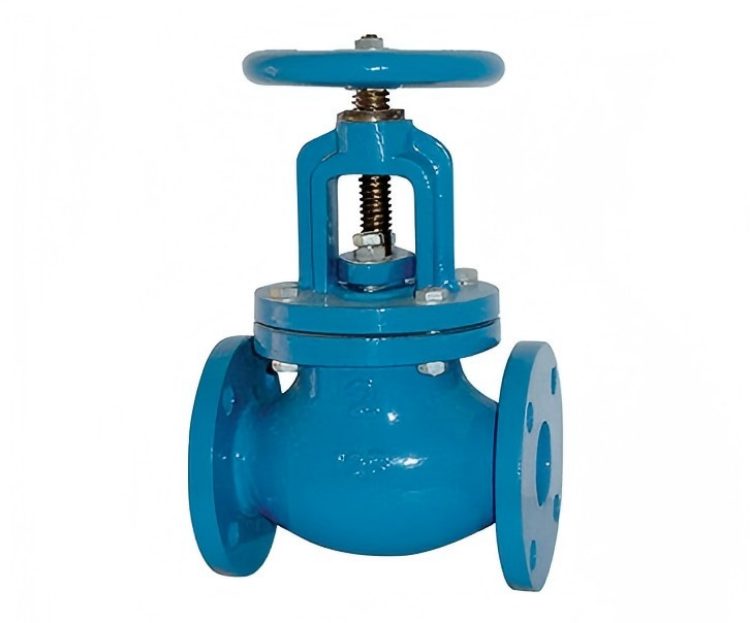
Yes. Flange standards define important dimensional and connection characteristics, so compatibility between the valve and piping system directly affects mechanical integrity and sealing performance.
DIN, JIS, ANSI, and other standards may differ in dimensions, pressure designations, bolt patterns, and facing requirements. Using components from different systems without verifying compatibility can lead to installation problems or uneven gasket loading.
A DIN flange may be appropriate for piping systems designed around DIN requirements, while a JIS-based system should use components selected to match its applicable dimensional and pressure specifications.
Preventive maintenance is more effective when it focuses on operating condition rather than simply replacing parts at fixed intervals. Inspection frequency should reflect service severity, operating cycles, process criticality, and previous failure history.
Typical maintenance activities include checking external leakage, inspecting packing condition, confirming stem movement, examining flange connections, and verifying that the valve reaches its intended operating positions.
Where valves are used for frequent throttling, maintenance teams should pay particular attention to signs of erosion and unstable flow. A valve that repeatedly operates outside its intended control range may experience premature internal wear.
Installation quality can influence service life from the first day of operation. The valve should be installed according to the manufacturer's instructions and the project's piping requirements. The flow direction should be correct, and the valve should be positioned so that the operating mechanism remains accessible.
The connected piping should be properly supported and aligned. Excessive mechanical loads caused by unsupported pipes, thermal movement, or forced alignment can transfer stress to the valve and its flange connections.
Before commissioning, pressure and leakage tests should be performed according to the applicable project requirements. Early detection of leakage or abnormal operation can prevent avoidable service problems.
Yes. Improper operation is one of the most overlooked causes of premature valve deterioration. Repeatedly forcing a handwheel, operating the valve beyond its intended position, or using an unsuitable globe valve for severe throttling can increase wear.
Rapid pressure changes can also create undesirable transient conditions. Operators should follow established procedures for opening and closing valves, particularly in steam, high-pressure liquid, and other systems where sudden changes can produce significant hydraulic or thermal effects.
Standards provide a framework for dimensions, materials, testing, pressure design, and manufacturing requirements. They do not guarantee an identical service life for every valve operating under every condition.
Engineers should therefore consider the standard as one part of the selection process. Material quality, manufacturing control, testing, application conditions, installation, and maintenance all contribute to actual field performance.
For applications requiring JIS-compatible connections, a JIS flange can be evaluated according to the relevant JIS requirements and its compatibility with the connected piping system.
| Factor | Potential Effect on Service Life |
|---|---|
| Pressure | Excessive pressure increases mechanical stress and sealing loads. |
| Temperature | Can affect material strength, packing, gaskets, and thermal expansion. |
| Medium | Determines corrosion, erosion, and material compatibility. |
| Operating cycles | Frequent movement increases mechanical wear. |
| Throttling severity | Can accelerate erosion and seat deterioration. |
| Installation | Misalignment and external loads can reduce mechanical reliability. |
| Maintenance | Early detection and correction can prevent progressive failure. |
The service life of a flanged globe valve is not determined by one component or one specification. Long-term performance depends on matching the valve to the process, selecting compatible materials and sealing components, maintaining correct flange connections, installing the valve properly, and operating it within its intended range. A lifecycle-based approach to valve selection and maintenance can significantly improve reliability while reducing unexpected shutdowns and replacement costs.
 Call us on:
  Email Us:
  No.68 Hezuo Road, Shijiazhuang City, Hebei Province, China