EN
EN

Flanged globe valves can perform reliably under high-pressure and high-temperature conditions when their pressure class, body and trim materials, sealing design, and operating conditions are properly matched to the service. The key is not simply selecting a valve with a high nominal pressure rating. Engineers must evaluate temperature-dependent pressure capability, material strength, thermal expansion, sealing performance, flow conditions, and operating frequency as an integrated system.
In industrial piping, high-pressure and high-temperature service places greater demands on both the pressure boundary and internal components. A valve that performs adequately in ordinary water or low-temperature service may require a different material combination, pressure class, or construction when installed in steam, hydrocarbon, chemical, or other demanding processes.
Pressure and temperature influence valve performance in different but interconnected ways. Internal pressure creates mechanical stress in the valve body, bonnet, flange connection, and other pressure-retaining components. As temperature rises, many metals gradually lose mechanical strength, while thermal expansion can alter clearances and increase stress around connected components.
Temperature also affects the sealing system. Gaskets, packing, and seat materials must retain their functional properties throughout the operating temperature range. If a sealing material becomes excessively hard, soft, brittle, or chemically incompatible with the process medium, leakage can develop even when the valve body itself remains structurally sound.
For this reason, high-pressure and high-temperature valve selection should consider the actual operating envelope rather than relying on a single maximum value.
The valve body forms the primary pressure boundary, so its material and wall construction are fundamental to high-pressure service. Carbon steel and alloy steel constructions are commonly considered where higher mechanical strength and elevated-temperature capability are required.
The selected body material should be evaluated against the process temperature, pressure, fluid characteristics, corrosion environment, and applicable design standard. Temperature derating is particularly important because the allowable working pressure of metallic pressure components can decrease as operating temperature increases.
Flanged connections also deserve attention. The flange, bolts, gasket, and valve body must work together as a pressure-retaining joint. A mismatch between the valve pressure class and the connected piping system can create unnecessary mechanical risk.
Globe valves regulate flow by moving the disc toward or away from the seat. This design provides precise throttling capability, but the pressure drop and flow forces acting across the disc should be considered when the valve is used continuously for control.
In high-temperature systems, the relationship between the disc, stem, seat, and body can change because of thermal expansion. Proper engineering therefore requires adequate dimensional control and material compatibility. The valve must maintain sufficient movement while avoiding excessive interference or loss of sealing performance.
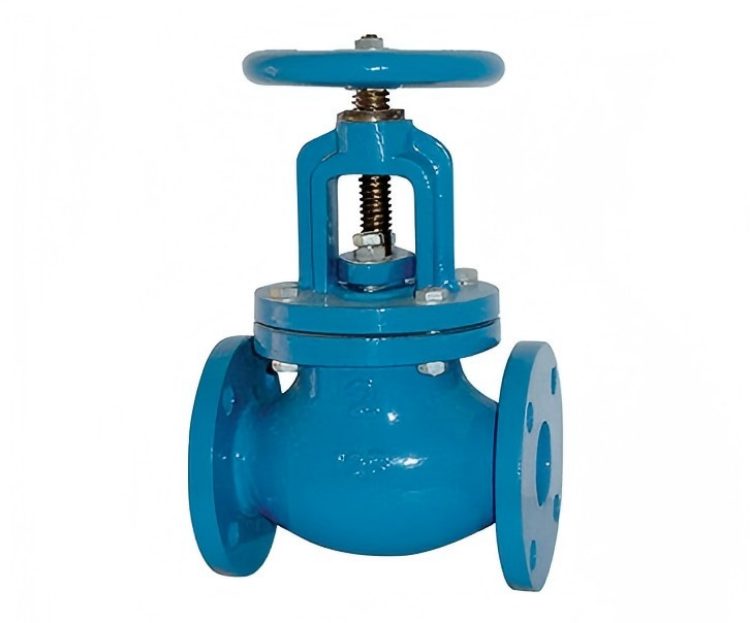
A suitable globe valve flange type can provide a practical solution where the piping system requires a bolted flange connection and controlled flow. The specific configuration should still be selected according to pressure, temperature, medium, pipe size, and applicable standard.
Material selection affects more than corrosion resistance. At elevated temperatures, creep resistance, thermal stability, strength retention, and compatibility with the process medium become increasingly important.
For example, carbon steel may be appropriate for many general industrial services, while alloy steel may be considered for applications involving more demanding temperature conditions. Stainless steel can provide advantages where corrosion resistance is a primary concern, but the final selection must be based on the actual process rather than material category alone.
For valves used with steam, hydrocarbons, or chemically active fluids, engineers should examine the body, disc, stem, seat, packing, and gasket materials separately. A valve is only as reliable as its least suitable critical component.
WCB carbon steel is widely used for industrial valve bodies because it provides a combination of strength, machinability, availability, and cost efficiency. It can be suitable for many oil, gas, petrochemical, power, and general industrial applications when the operating envelope falls within the applicable material and pressure requirements.
A WCB globe valve may therefore be considered when engineers need a carbon steel pressure boundary for industrial flow-control service. However, WCB designation alone does not determine whether a valve is suitable for a particular high-temperature application. The complete valve specification and applicable pressure-temperature limits must be checked.
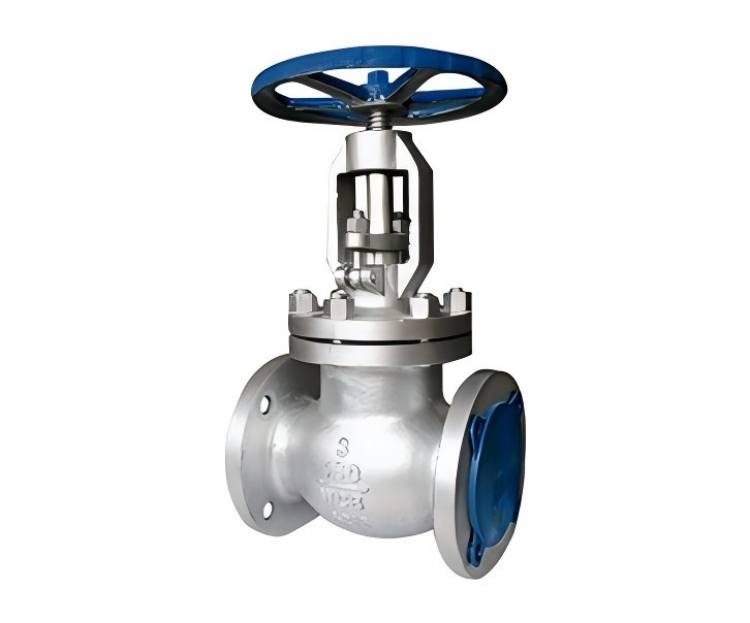
PN16 indicates a nominal pressure designation used within European and international piping practices. It should not be interpreted as a universal statement that a valve can operate at 16 bar under every temperature and service condition.
As operating temperature increases, the allowable pressure may be lower than the nominal designation suggests. Therefore, engineers should verify the applicable pressure-temperature rating rather than selecting a valve solely because the required operating pressure appears to be below PN16.
For systems where PN16 is being considered, a PN16 globe valve should be evaluated together with the piping flange standard, gasket, bolting, temperature, and medium.
| Parameter | Why It Matters |
|---|---|
| Operating pressure | Determines the required pressure capability of the valve and connected components. |
| Operating temperature | Can reduce allowable pressure and affect material strength and sealing. |
| Process medium | Determines corrosion, erosion, and material compatibility requirements. |
| Valve material | Must retain suitable mechanical and chemical properties throughout service. |
| Pressure class | Must correspond with the actual pressure-temperature envelope. |
| Gasket and packing | Need to maintain sealing performance under operating conditions. |
| Flow direction | Correct installation helps ensure the valve performs as designed. |
Reliable high-pressure and high-temperature operation depends on correct specification, installation, commissioning, and maintenance. Before installation, the valve should be inspected for transportation damage and verified against the engineering specification. The piping system should also be aligned correctly so that external loads are not unnecessarily transferred to the valve.
During operation, abnormal leakage, difficult stem movement, vibration, and unusual temperature changes should be investigated rather than ignored. Periodic inspection of packing, bolted connections, and operating components can help identify developing problems before they affect process reliability.
Flanged globe valves can provide dependable service in high-pressure and high-temperature piping systems when the complete valve assembly is selected for the actual operating envelope. Body material, pressure-temperature capability, sealing components, flange compatibility, thermal effects, and process conditions all influence performance. Rather than choosing a valve based on nominal pressure alone, engineers should verify the complete specification against the requirements of the system.
 Call us on:
  Email Us:
  No.68 Hezuo Road, Shijiazhuang City, Hebei Province, China