EN
EN

Flanges are essential components in piping systems, providing reliable connections for pipes, valves, and other equipment. Two of the most commonly referenced flange standards are DN flanges and PN flanges. Understanding their differences, applications, and classifications is critical for engineers, procurement teams, and project managers.
As a trusted flange manufacturer, Hebei Leading provides high-quality DN and PN flanges designed for industrial pipelines, ensuring safety, durability, and compliance with international standards.
This article explores what DN and PN mean, how flanges are classified, their applications, and tips for choosing the right flange type.
DN stands for “Diamètre Nominal” or Nominal Diameter, a European designation used to indicate the standard size of a flange or pipe.
Represents the internal diameter of the pipe in millimeters.
DN does not specify the flange thickness, pressure rating, or bolt dimensions.
Common DN sizes include DN15, DN50, DN100, DN200, etc.
Selection of pipe and flange sizes in pipelines
Ensuring compatibility with valves, fittings, and other components
Standardizing procurement and design across industries
PN stands for “Pressure Nominal”, indicating the maximum operating pressure a flange can withstand at a reference temperature (usually 20°C).
Expressed in bars (e.g., PN6, PN10, PN16, PN25).
PN rating determines wall thickness and bolt strength of the flange.
Higher PN numbers indicate flanges suitable for high-pressure applications.
Determining pressure limits for pipelines
Selecting appropriate flanges for chemical, oil, or water pipelines
Ensuring safe operation under rated pressure
Flanges are classified based on multiple factors:
| Classification Type | Description | Examples |
|---|---|---|
| By Nominal Diameter (DN) | Size of pipe connection | DN15, DN50, DN200 |
| By Pressure Rating (PN) | Maximum pressure capability | PN6, PN16, PN25 |
| By Material | Type of metal or alloy | Carbon steel, stainless steel, alloy steel |
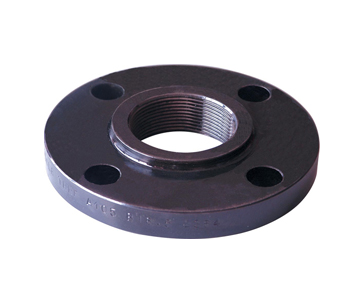
| By Type/Design | Flange structure | Slip-on, weld neck, blind, threaded, lap joint |
| By Standards | Industry standards for dimensions | EN, ISO, ANSI, DIN |
Hebei Leading, as a professional flange manufacturer, offers DN and PN flanges across a wide range of sizes, materials, and standards to meet global piping requirements.
| Feature | DN Flange | PN Flange |
|---|---|---|
| Meaning | Nominal diameter of pipe (size) | Nominal pressure rating (strength) |
| Unit | Millimeters (mm) | Bars |
| Focus | Size of connection | Maximum operating pressure |
| Influence | Affects pipe and valve compatibility | Determines wall thickness and bolt strength |
| Selection Criteria | Based on pipe diameter requirements | Based on pressure rating and pipeline design |
| Examples | DN50 flange for 50 mm pipe | PN16 flange suitable for 16 bar pressure |
Key Insight: While DN indicates “how big” the pipe or flange is, PN shows “how strong” the flange must be to withstand pressure.
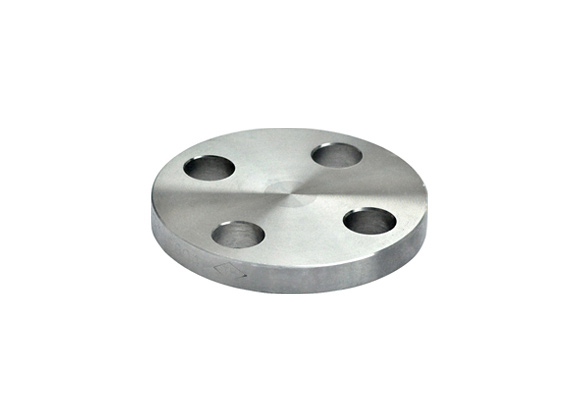
DN and PN flanges are used across multiple industries:
| Industry | DN Flange Application | PN Flange Application |
|---|---|---|
| Water Supply | Standard pipe connections | High-pressure water mains |
| Oil & Gas | Pipeline connections | High-pressure oil pipelines |
| Chemical | Process piping | Corrosive chemical transfer lines |
| HVAC | Air and water ducts | Pressurized chilled/hot water systems |
| Power Plants | Steam pipelines | High-pressure steam lines |
Hebei Leading manufactures DN and PN flanges suitable for these industries, ensuring compliance with international quality standards.
Choosing the correct flange requires considering:
Pipeline Diameter
Determine the DN size to match pipe diameter for proper fit.
Operating Pressure
Select PN rating based on maximum working pressure.
Temperature Conditions
Consider material and PN rating for high-temperature environments.
Material Compatibility
Ensure flange material is compatible with fluid type and pipeline material.
Industry Standards Compliance
Use flanges that meet ISO, EN, or ASME standards as required.
Supplier Reliability
Partner with a trusted flange manufacturer like Hebei Leading for consistent quality, material certification, and custom solutions.
DN (Nominal Diameter) specifies the pipe or flange size in millimeters, helping ensure proper connection compatibility.
PN (Nominal Pressure) indicates the maximum operating pressure the flange can safely handle, expressed in bars.
Select DN based on pipe diameter, PN based on operating pressure, material, temperature, and industry standards. Reliable suppliers like Hebei Leading provide certified flanges for safe operation.
Understanding the difference between DN flanges and PN flanges is essential for designing safe and efficient piping systems. DN defines the pipe size, while PN indicates the maximum pressure rating. Both are critical for selecting flanges that meet operational, safety, and regulatory requirements.
Partnering with a reputable flange manufacturer like Hebei Leading ensures access to high-quality DN and PN flanges, worldwide standards compliance, and tailored solutions for industrial, chemical, and water infrastructure projects.
 Call us on:
  Email Us:
  No.68 Hezuo Road, Shijiazhuang City, Hebei Province, China