EN
EN

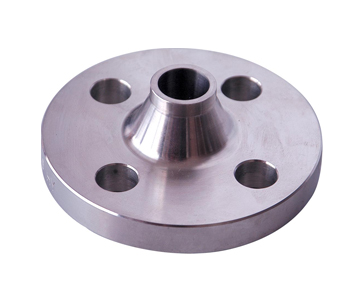
Flanges are the workhorses of piping systems, creating secure connections between pipes, valves, and other equipment. But navigating flange standards can be confusing, especially when faced with seemingly similar options like PN10 and PN16. This article delves into the key differences between PN10 and PN16 flanges, empowering you to make informed choices for your next project.
PN stands for "Nominal Pressure," a European designation system that indicates the maximum pressure a flange can withstand, measured in bars (1 bar ≈ 14.5 psi). PN flanges adhere to standards like ISO 7005-1 or DIN 2501-1, using metric units for pressure ratings. These flanges are widely used in industries such as water supply, oil and gas, and chemical processing.
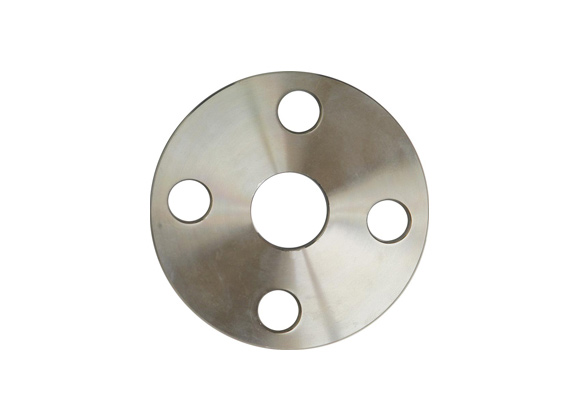
Key Differences Between PN 10 flange and PN16 Flanges:
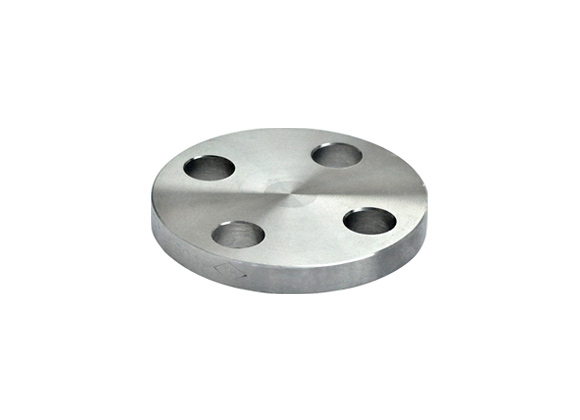
1. Pressure Rating:
PN10: Designed for a maximum pressure of 10 bars (approximately 145 psi). Suitable for lower pressure applications like water lines, compressed air systems, and low-pressure heating systems.
PN16: Can handle higher pressures up to 16 bars (approximately 232 psi). Ideal for applications with moderate pressure demands, such as industrial water lines, compressed air systems with higher pressure, and some hydrocarbon processing applications.
2. Dimensions:
Up to Size DN150 (NPS 6): PN10 and PN16 flanges often share identical dimensions, making them interchangeable in terms of fit. This allows for some flexibility during installation if pressure requirements change.
Above Size DN150 (NPS 6): PN16 flanges typically have thicker walls and larger bolt holes compared to PN10 for increased strength at higher pressures. These differences become more pronounced with larger flange sizes.
3. Material Selection:
Both PN10 and PN16 can be manufactured from various materials like ductile iron, stainless steel, and carbon steel. The material selection will depend on the specific application's pressure, temperature, and fluid compatibility requirements.
Feature | PN10 | PN16 |
|---|---|---|
Pressure Rating | 10 bars (145 psi) | 16 bars (232 psi) |
Applications | Low-pressure systems (e.g., water, air) | Moderate-pressure systems (e.g., industrial water, hydrocarbons) |
Dimensions (≤ DN150) | Identical to PN16 | Identical to PN10 |
Dimensions (> DN150) | Thinner walls, smaller bolt holes | Thicker walls, larger bolt holes |
Material Options | Ductile iron, carbon steel, stainless steel, PVC | Same as PN10, with emphasis on stronger materials for higher pressure |
Cost | Generally lower | Higher due to increased material and strength |
PN10: Commonly used in municipal water supply systems, irrigation, and low-pressure HVAC systems. For example, a PN10 flange might connect pipes in a residential water distribution network where pressures remain below 10 bars.
PN16: Preferred in industrial settings, such as chemical plants or oil refineries, where pressures approach 16 bars. For instance, PN16 flanges are often used in cooling water systems for power plants or in compressed air systems for heavy machinery.
Selecting between PN10 and PN16 flanges depends on several factors:
Pressure Requirements: Choose a flange with a pressure rating that exceeds your system's maximum operating pressure to ensure safety and longevity.
Temperature Range: Verify that the flange material can withstand the system's operating temperatures. For example, stainless steel is better for high-temperature applications.
Fluid Compatibility: Ensure the flange material resists corrosion from the transported fluid (e.g., use stainless steel for acidic fluids).
Regulatory Standards: Some industries or regions mandate specific flange standards, so check project specifications or local regulations.
Future Scalability: If pressure requirements may increase, consider PN16 for flexibility, especially for sizes up to DN150 where dimensions align.
Consulting a piping engineer or flange supplier can help confirm the best choice for complex systems.
Q: Can PN10 and PN16 flanges be used interchangeably?
A: For sizes up to DN150, yes, as they share the same dimensions. However, ensure the PN10 flange can handle the system's pressure. Above DN150, differences in dimensions make interchangeability difficult.
Q: How do I know if my system needs PN10 or PN16?
A: Calculate the maximum operating pressure of your system and add a safety margin (e.g., 20-30%). If the pressure is below 10 bars, PN10 may suffice; otherwise, PN16 is safer.
Q: Are PN10 and PN16 flanges compatible with non-European standards?
A: PN flanges follow European standards (ISO/DIN), but adapters or custom flanges can sometimes connect them to ANSI or ASME systems. Verify compatibility with a professional.
Q: What are the most common materials for PN10 and PN16 flanges?
A: Ductile iron and carbon steel are common for general applications, while stainless steel is used for corrosive environments. PVC is occasionally used for low-pressure, non-corrosive systems.
Understanding the subtle differences between PN10 and PN16 flanges equips you to make informed decisions for your piping needs. By considering pressure rating, dimensions, material selection, and other factors, you can ensure the safe and efficient operation of your system.
 Call us on:
  Email Us:
  No.68 Hezuo Road, Shijiazhuang City, Hebei Province, China