EN
EN

Choosing between EN flanges and BS flanges depends on the project location, piping standards, pressure requirements, equipment compatibility, and industry regulations. EN flanges are widely used under European standards such as EN 1092-1, while BS flanges follow British standards including BS 4504 and BS 10. The correct choice ensures proper connection performance, sealing reliability, and long-term safety in industrial piping systems.
As a professional flange manufacturer and supplier, Hebei Leading provides a wide range of industrial flanges, including EN flanges, BS flanges, ASME flanges, ANSI flanges, stainless steel flanges, carbon steel flanges, and alloy flanges for global pipeline applications.
The main difference between EN flanges and BS flanges lies in their design standards, dimensions, pressure classification systems, and application markets.
| Feature | EN Flange | BS Flange |
|---|---|---|
| Standard System | European Standard (EN) | British Standard (BS) |
| Common Standards | EN 1092-1 | BS 4504, BS 10 |
| Pressure Classification | PN rating (PN6, PN10, PN16, PN25, PN40, etc.) | PN rating or pressure class depending on standard |
| Main Markets | Europe, Middle East, international projects | UK, Commonwealth countries, legacy British-standard projects |
| Common Materials | Carbon steel, stainless steel, alloy steel | Carbon steel, stainless steel, alloy steel |
| Applications | Industrial pipelines, chemical, energy, water systems | Water supply, industrial piping, mechanical systems |
Although both flange systems are designed for connecting pipes, valves, pumps, and equipment, they are not always interchangeable because bolt hole patterns, dimensions, and pressure ratings may differ.
EN flanges are manufactured according to European standards and are commonly used in modern industrial piping systems worldwide.
Typical applications include:
Oil and gas pipelines
Chemical processing plants
Power generation systems
Water treatment facilities
Industrial equipment connections
Pressure vessel systems
The most common EN flange standard is EN 1092-1, which covers steel flanges and provides specifications for flange dimensions, pressure ratings, and connection types.
Common EN flange types include:
Weld neck flange
Slip-on flange
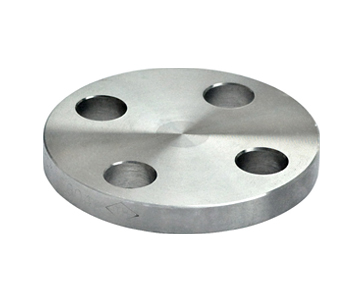
Blind flange
Threaded flange
Socket weld flange
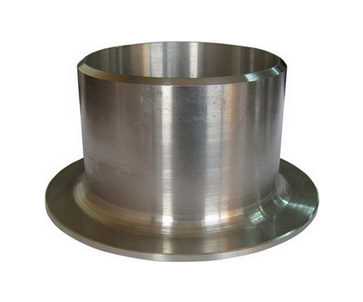
Lap joint flange
EN flanges are often selected for projects requiring compliance with European engineering standards and PN pressure classification.
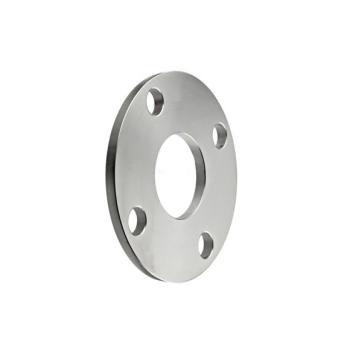
BS flanges are manufactured according to British Standards and have been widely used in industrial projects, especially in the UK and regions influenced by British engineering specifications.
Common BS flange standards include:
BS 4504 flange
BS flanges are widely applied in:
Water distribution systems
Industrial piping networks
Marine engineering
Mechanical equipment connections
Building services
A BS 4504 flange is one of the most commonly requested British flange standards and is designed based on metric dimensions and PN pressure ratings.
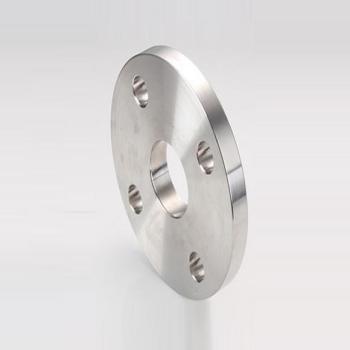
EN flanges and BS flanges may appear similar, but they should not be considered automatically interchangeable.
Before replacement, check:
Important factors include:
Outside diameter
Bolt hole spacing
Number of bolts
Bolt diameter
Flange thickness
A flange must match the required operating pressure. For example, a PN16 flange cannot simply replace another flange without confirming pressure compatibility.
The flange material must match the pipeline environment.
Common materials include:
Carbon steel
Stainless steel
Alloy steel
Projects often require compliance with specific standards, such as:
EN 1092-1
BS 4504
BS 10
ASME B16.5
The best flange standard depends on your project requirements.
Choose EN flanges when:
The project follows European standards
PN pressure ratings are required
Metric flange systems are preferred
Modern industrial standards are specified
Choose BS flanges when:
The project follows British engineering specifications
Existing systems use BS standards
Replacement parts must match older installations
BS 4504 or BS10 compliance is required
For international projects, selecting a manufacturer experienced in multiple standards helps avoid compatibility issues.
An EN flange is a flange manufactured according to European standards, commonly EN 1092-1, using PN pressure classifications.
BS4504 flanges use PN pressure ratings and metric dimensions, while BS10 flanges use traditional British pressure tables and different dimensional specifications.
Not always. Although their pressure capabilities may appear similar in some applications, flange dimensions, materials, and standards must be verified before replacement.
Neither standard is universally better. The correct choice depends on project specifications, operating conditions, and required compliance standards.
 Call us on:
  Email Us:
  No.68 Hezuo Road, Shijiazhuang City, Hebei Province, China